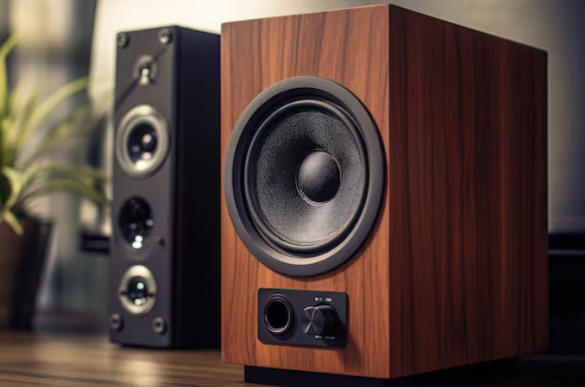

Loudspeakers help people listen to music, watch films, communicate and enjoy entertainment. They turn electrical audio signals into sound for homes, workplaces, public venues and outdoor spaces. Understanding how loudspeakers work and what affects performance helps buyers choose equipment that suits their space, preferences and budget.
Modern loudspeakers combine carefully designed components with materials and electronic features that support clear audio. Their performance depends on the speaker, its placement, room acoustics and the quality of the audio signal.
How a Loudspeaker Works
A loudspeaker converts an electrical signal into sound waves. In many designs, a voice coil sits within a magnetic field and connects to a diaphragm, often shaped like a cone. When an audio signal passes through the coil, interaction with the magnet causes movement. The diaphragm vibrates, disturbing the surrounding air and producing sound waves that travel towards the listener.
Each component has a role. The magnet and voice coil create movement, while the diaphragm responds to changes in the signal.
The cabinet, or enclosure, also affects performance. It contains the components and manages air movement behind the diaphragm. A well-designed enclosure can reduce unwanted vibration and help produce controlled bass.
Choosing Between Loudspeaker Types
Bookshelf speakers suit bedrooms, small living rooms, offices and desktop audio systems. They deliver sound without taking up much space, although some models benefit from a separate subwoofer for deeper bass.
Floor-standing speakers are larger and often contain several drivers for different frequency ranges. Their enclosures can support fuller bass and higher output, making them suitable for spacious living rooms or dedicated listening areas.
In-wall and in-ceiling speakers sit within building surfaces, keeping equipment out of the way. Installation and placement are important because walls and ceilings can affect sound coverage.
Soundbars offer a simple way to improve television audio. Multiple speaker elements fit inside one slim enclosure, making setup easier than installing a separate surround system. Portable speakers suit travel, outdoor activities and casual listening, particularly when battery life, low weight and moisture resistance matter.
Connectivity and Smart Features
Bluetooth lets compatible phones, tablets and computers stream audio wirelessly. It is convenient for personal listening and quick connections. Wi-Fi speakers may offer network streaming, multi-room playback and integration with compatible home systems.
Digital signal processing, or DSP, allows electronics to adjust audio before it reaches the speaker drivers. Some speakers include room correction, which measures a room’s acoustic response and adjusts playback to compensate for certain irregularities.
Smart speakers add voice control and digital assistant functions. Users may request music, control compatible devices or set reminders without touching the unit.
Materials and Audio Quality
A diaphragm needs to be light enough to respond quickly while remaining rigid enough to avoid unwanted flexing. Manufacturers use treated paper, polymers, aluminium, carbon fibre and composite materials to balance these qualities. Performance depends on the whole design, including the driver shape, suspension, motor system and crossover.
The enclosure should limit unwanted resonance. Rigid panels, internal bracing and suitable damping can reduce cabinet vibration that might colour the sound. Good engineering brings these elements together to create the intended balance across low, middle and high frequencies.
When comparing speakers, consider more than maximum volume. Clear dialogue, natural vocals, controlled bass and detailed high frequencies may matter more than loudness. Sensitivity, impedance and frequency response specifications offer useful clues, but they do not tell the whole story.
Sustainability and Long-Term Use
Sustainability matters in consumer electronics. Manufacturers can reduce waste by using recycled materials, improving production efficiency and choosing responsibly sourced components where practical.
Durability is equally valuable. Reliable speakers reduce the need for frequent replacement. Repairable designs, replaceable batteries and available spare parts can extend product life.
Before buying, check the warranty, repair services and availability of replacement parts. Choosing equipment that meets current needs can also help avoid premature replacement.
Room Acoustics and Common Challenges
Even a quality loudspeaker can sound different depending on the room. Sound reflects from walls, floors, ceilings, windows and furniture. These reflections affect clarity, bass response and the perceived position of voices or instruments.
Good placement can make a noticeable difference. Position speakers securely and aim them towards the main listening area. Curtains, rugs and soft furnishings can reduce some reflections, while acoustic panels may help in rooms with persistent problems.
Room correction systems can measure certain acoustic characteristics and adjust output, but they cannot solve every issue. Placement and room treatment remain useful.
See also: Managing High-Volume Crew Sanitation on Commercial Build Sites
Immersive Audio and Future Developments
Spatial audio aims to make sound seem as though it comes from different positions around or above the listener. With compatible content and equipment, it can make films, games and virtual reality experiences feel more immersive.
Connected speakers make it easier to play audio in several rooms. Better setup tools and automatic calibration may help users configure systems without specialist knowledge.
New features should still be assessed for reliability, compatibility, privacy and repairability. Simple controls and clear instructions can be just as valuable.
For home cinema, check whether the speaker system supports the formats used by your television and streaming devices. For music, consider whether you prefer a neutral presentation or a sound with stronger bass. In shared spaces, even coverage and convenient volume controls may be more important than high output. These practical details help ensure that a purchase fits everyday habits rather than relying on specifications alone.
Finding the Right Loudspeaker
Start by deciding where the speaker will be used and what it needs to do. Room size, preferred music, television use, connection options, available space and budget all influence the choice. Check whether you need wired inputs, wireless streaming, a subwoofer or multi-room support.
Consider stands, cables, installation and extra components as well as the speaker itself.
A well-chosen loudspeaker combines dependable construction, useful features and sound that suits its environment. With thoughtful placement and realistic expectations, it can make music, films, games and spoken content clearer and more engaging. As designs improve, loudspeakers will remain an important part of everyday listening.
Want to explore more informative content and useful resources? Visit ArcyArt to discover more.