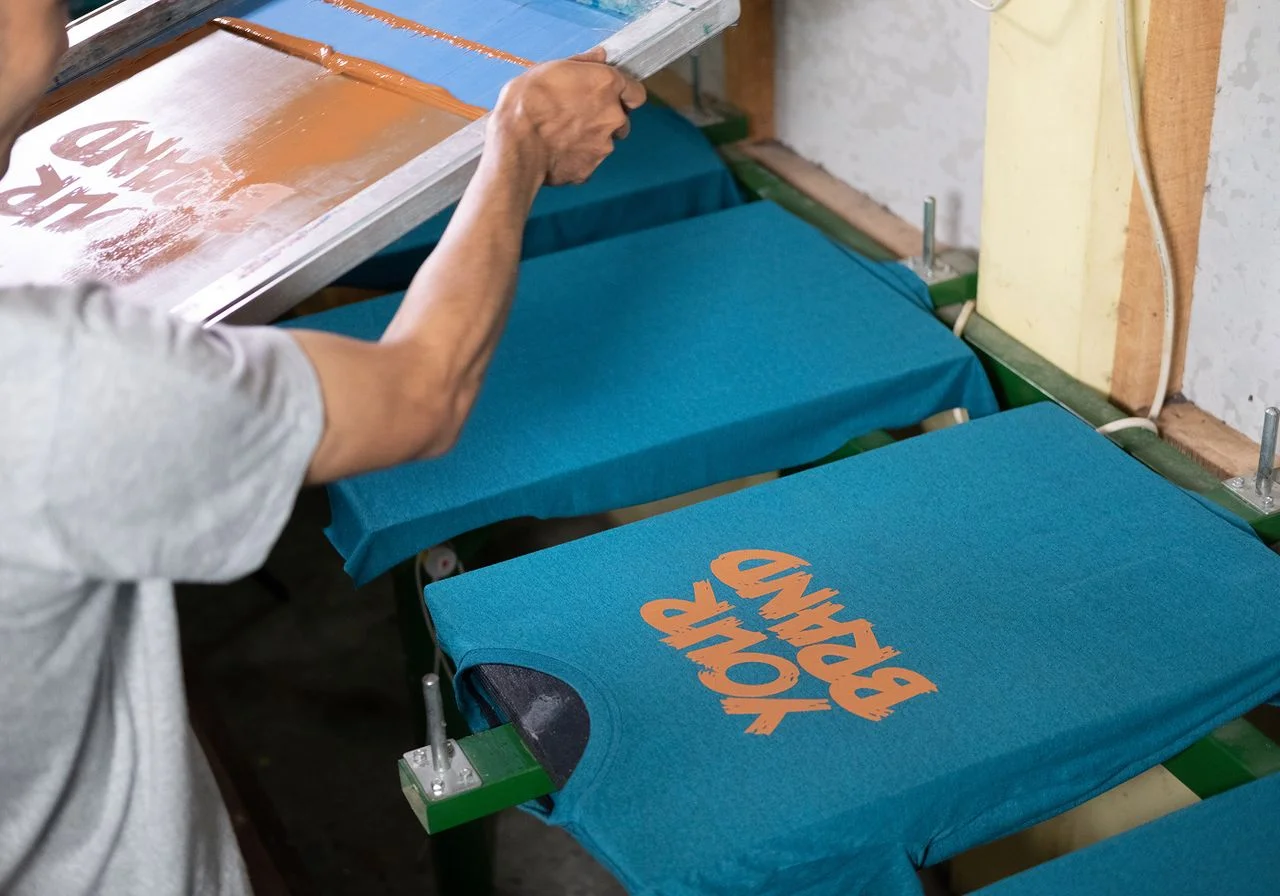

Executing a successful custom merchandise drop or client printing order requires careful alignment between digital artwork, ink chemistry, and the physical characteristics of the base textile. When screen printing businesses, graphic illustrators, and independent labels plan seasonal collections, team discussions often focus on color separations, press configurations, and marketing campaigns while treating the base shirt as an afterthought. Starting with high-grade Blank Tees gives print operators and decorators a stable, uniform foundation that holds ink deposits cleanly without surface fraying, ink bleeding, or registration shifts.
Unprinted apparel offers complete artistic freedom. Instead of dealing with pre-existing retail logos, irregular seam structures, or unpredictable poly-blends, decorators can use a neutral, purpose-built surface that allows custom graphics, textures, and specialty inks to perform at their highest level.
Print Surface Optimization and Fiber Structure
The outer face of a blank T-shirt dictates how smoothly squeegees shear ink across the screen mesh and how cleanly fine halftones resolve on the fabric. Because jersey knit fabrics are produced using distinct yarn-spinning techniques, surface density directly influences finished graphic clarity and edge sharpness.
Using garments with irregular, coarse fibers causes loose lint to catch in the screen emulsion, leading to pinholes and blurred edges. In contrast, tightly knit, flat surfaces clear ink smoothly, allowing complex vector illustrations, tiny typography, and subtle photographic gradients to cure with crisp definition.
A smooth knit face also prevents liquid inks from sinking too deep into the fabric core, keeping graphic prints flexible, lightweight, and breathable rather than heavy and rubbery against the chest.
Classic Tones and Saturated Contrasts
While neutral white and black blanks remain constant shop essentials, expanding into classic saturated colorways brings versatility to custom apparel lines. Introducing high-utility Wholesale Blue Tees gives print shops and brand managers a dependable, universally flattering base that bridges the gap between casual corporate outfitting and athletic streetwear.
From deep navy and midnight shades to soft royal and slate, blue provides a rich, balanced ground that pairs naturally with crisp white, bright gold, and cool grey inks. Saturated blue textiles evoke trust, reliability, and athletic heritage, making them a preferred choice for tech meetups, university clubs, and craft brewery merchandise.
Stocking versatile blue basics allows decorators to run diverse print campaigns on a single core blank style without worrying about seasonal color obsolescence.
Combed Ring-Spun Cotton vs. Open-End Fibers
Standard promotional apparel often relies on open-end spun yarns, which leave short, broken fiber ends protruding across the fabric face. These loose fibers absorb liquid inks unevenly and tend to lift through cured ink films after washing, leaving prints looking washed out and rough.
High-grade print blanks feature combed and ring-spun cotton construction. The combing process combs out short, irregular fibers while the ring-spinning process tightly twists the remaining long-staple strands into a dense, smooth yarn. This uniform construction provides an exceptionally flat plane that allows detailed line art and micro-typography to print with clean edges.
A smooth ring-spun cotton face also prevents surface fibrillation, ensuring that cured screen prints and direct-to-garment digital graphics retain their color brightness through dozens of laundry cycles.
Sizing Curves and Inventory Management
Running an efficient commercial printing operation requires careful inventory planning and disciplined order staging. Guessing size breakdowns without looking at historical customer data often leaves print shops with excess edge sizes while popular middle sizes run out midway through production.
Structuring blank apparel orders around proven adult sizing curves protects operating cash flow and prevents press downtime.
Calculating Standard Sizing Ratios
In general, corporate, collegiate, and retail streetwear printing demand clusters heavily around large and extra-large sizes. Ordering an equal split across small, medium, large, and extra-large sizes results in quick stockouts for middle sizes and leaves unwanted outer sizes on the shelf.
A reliable adult distribution curve allocates roughly ten percent to small, twenty-five percent to medium, thirty-five percent to large, twenty percent to extra-large, and ten percent to double extra-large.
Adjusting these ratios based on historical customer demographics prevents dead stock from piling up in storage rooms while ensuring popular sizes remain available throughout production runs.
Establishing Protective Buffer Reserves
Always factor in a five to eight percent blank reserve across core sizes when ordering stock for custom print jobs. Misprints happen during initial registration setup, ink adjustments can spot an edge garment, and clients regularly ask to add extra units right before delivery.
Keeping a small buffer of clean, unprinted blanks protects print shops from placing emergency short-run reorders that carry high machine setup fees and express freight surcharges.
Unused blank inventory remains an adaptable, highly liquid asset that can easily be rolled into upcoming client jobs, staff uniform runs, or promotional sample packages.
Supply Chain Operations and Sourcing Discipline
Running a profitable custom printing business depends on steady blank availability and transparent shipping tracking. Running out of critical mid-sizes halfway through a production run idles expensive machinery, disrupts scheduling, and puts client delivery commitments at risk.
Establishing strong relationships with verified commercial suppliers protects print operations from sudden warehouse stockouts during peak seasonal demand.
Reliable Sourcing with Simplstc Apparel
Commercial printing businesses and independent apparel brands need supply partners who provide transparent warehouse stock counts and prompt freight dispatch. When suppliers face unexpected backorders, print runs stall and client distribution dates are missed.
Partnering with dependable distributors like Simplstc Apparel gives brand managers and decorators reliable access to premium blanks with matching dye lots and consistent sizing across cases. Sourcing blank inventory through dedicated commercial channels via simplstcapparel.com allows teams to plan merchandise programs around verified warehouse data and predictable shipping schedules.
Maintaining a dependable supply pipeline gives your production crew the confidence to book large corporate contracts without worrying about inventory gaps or broken size curves.
Pre-Production Inspection Protocols
Establishing an intake inspection routine when delivery cartons arrive protects your business from costly decorating errors. Once a blank garment runs under an automatic press squeegee or embroidery frame, blank apparel distributors cannot accept it for return or refund.
Open cartons upon arrival and verify piece counts and size spreads against your original purchase order before staging items for the press. Pull random samples from each carton to inspect collar ribbing, sleeve hems, and shoulder seams for loose stitching or knitting flaws.
Taking the time to verify blank quality before printing starts ensures smooth production runs and protects your total apparel investment.
Strategic Printing Methods for Blank Apparel
Blank cotton apparel accommodates a wide variety of decorating techniques, allowing print technicians to match the application method to the client’s design and budget.
Water-based inks and direct-to-garment digital printing sink directly into ring-spun cotton fibers, producing a soft, breathable hand feel that moves naturally with the fabric.
Plastisol inks formulated with soft-hand reducers provide bold, opaque coverage for high-visibility athletic logos and multi-color company branding while remaining flexible across the chest.
Direct-to-film transfers deliver fine-line detail and rich gradients for complex, multi-shade emblems and detailed sponsor arrays.
Adding custom finishing touches, such as printed interior neck labels and branded fold-and-polybag packaging, transforms everyday blank shirts into premium, retail-ready merchandise that clients and wearers appreciate.
Building Lasting Value Through Blank Apparel
Blank apparel remains the smart choice for custom printing because it provides the design freedom, cost efficiency, and structural reliability needed to execute high-quality merchandise programs. Sourcing purpose-built blanks lowers per-unit production costs while giving decorators a predictable canvas that performs consistently under squeegees and heat tunnels.
Pairing smooth, ring-spun blanks with professional print chemistry creates finished garments that hold their shape, color, and print detail through years of regular wear.
A disciplined approach to blank apparel procurement turns everyday printing jobs into reliable, high-margin production runs that build customer trust and drive long-term business growth.